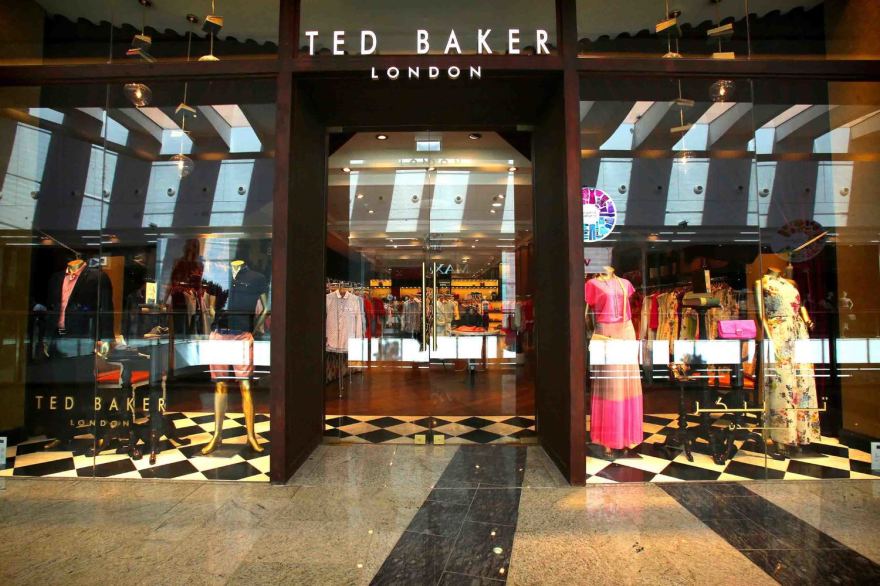
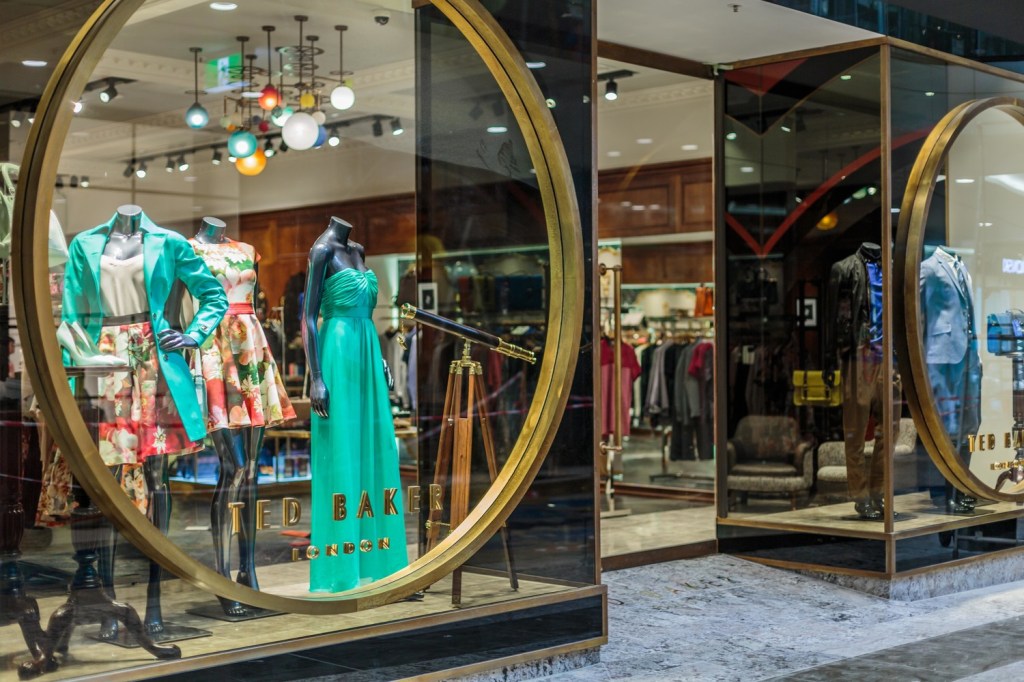
Since being established in 1988, Ted Baker have established a recognised brand image. Ted Baker has 544 locations worldwide, including concessions in popular department stores such as Selfridges, Fenwicks and John Lewis. They are widely known for their feminine, floral yet quintessentially British clothing and accessories. However, their product portfolio also includes men’s, children and homeware, as well as perfumes, watches and toiletries.
For many years Ted Baker has been going strong. In fact, they only released their first advertising campaign last year, to mark their 30-year anniversary. This is because the success of their concessions has meant that they have been able to reach out to their target customer and promote their products, without spending on their own advertising.
Unfortunately, sales have taken a turn for the worst as Ted Baker has reported a 194% plunge in pre-tax profits. This equates to a loss of £23 million for the first half of the financial year. The main cause for the drop of sales is lack of footfall in the brick and mortar stores. Teb Baker blame the lack of customers on ‘very difficult trading conditions’. This is reference to the tough competition amid the unseasonable weather the West has been experiencing.
Another factor for the plunge in sales is the struggles of department stores Ted Baker has concessions in. These troubled department stores include Debenhams, House of Fraser, Nordstrom and Bloomingdale’s in the US. For example, Ted Baker lost £600,000 from its House of Fraser concessions alone.
Although Ted Baker chalks their problems up to their physical locations, retail analyst for Global Data, Emily Salter, points out that Ted Baker also faced a ‘worrying’ 1.3% drop in ecommerce revenue. As such, the problems must also lie within the brand themselves.
One of these problems could be the controversy following the resignation of CEO Ray Kelvin. He resigned due to pressure following allegations of sexual harassment within the workplace. He is now under investigation but denies the numerous HR-complaints. This situation could have been a factor in the major decline in sales, as it relates the #metoo movement which has been very prominent in the media. Society has become very unforgiving to any individual or brand accused of sexual misconduct. It seems customers have refused to shop at Ted Baker following this investigation.
Ted Baker now hope to persevere through this tough time and have laid out the steps they will take to improve sales. For example, they have just signed deals to expand in the Asian market, China and Japan, where there is high purchasing power due to the emerging economies. They have also developed licensing to sell childrenswear in Next; in replacement of Debenhams where sales had been rapidly declining. Their biggest hope is the recent acquisition of No Ordinary Shoes Ltd for £20.3million. This is an opportunity to drive further growth in footwear business and is expected to increase revenue of Ted Baker from the new financial year.
 Business of Future Retail